
 By
By 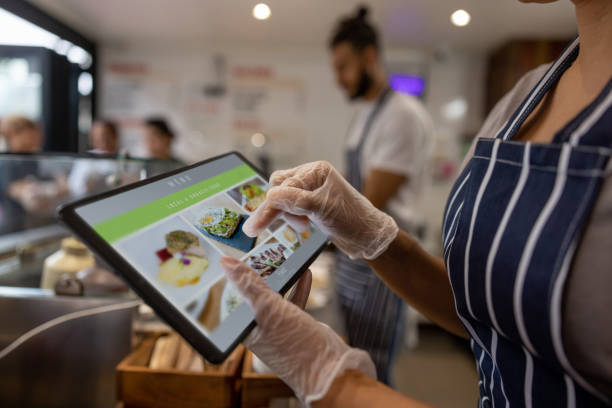
Quick Answer: A food truck pos system is a compact, mobile point of sale built to run on battery power, tolerate vibration, and process orders through a small handheld or tablet setup rather than a full countertop terminal.
The Space Problem Nobody Talks About
Most restaurant pos hardware assumes a fixed counter, a stable power outlet, and room for a fifteen inch screen. A food truck has none of that.
Owners are working with maybe six feet of prep and service space, a generator that occasionally hiccups, and a serving window that has to double as the checkout counter. Hardware built for a brick and mortar dining room simply does not fit.
This is where a purpose built food truck pos system earns its keep. It runs on a compact tablet or handheld device, often battery powered, and mounts on a swing arm instead of eating counter space.
Battery Life And Connectivity On The Road
A truck parked at a festival with no fixed Wi-Fi needs a system that runs on cellular data or a mobile hotspot without dropping transactions. This is a different requirement than a restaurant with a stable internet line.
Look for hardware rated for at least eight hours of continuous use on battery alone. That covers a full lunch and dinner service without hunting for an outlet between events.
The best systems also cache recent transactions locally and sync once signal returns, the same offline logic that matters for any mobile restaurant pos software but critical here since connectivity is never guaranteed.
Menu Speed And Line Management
Food truck lines move fast, or they should. A single person often runs both the register and the grill during a rush, so the ordering screen has to be brutally simple.
Large touch targets, preset combo buttons, and a limited modifier list matter more here than they do in a full service restaurant. Every extra tap during a lunch rush adds up to real lost sales when a line is forming outside.
A Portland taco truck operator I spoke with during research for a related project mentioned cutting average order time from 90 seconds to under 40 just by trimming the number of screens a cashier had to tap through.
Location Tracking And Multi Stop Sales
Trucks that rotate between neighborhoods, breweries, and events need sales data broken out by location, not just by date. Knowing that Tuesday’s brewery stop outsold Thursday’s office park lunch by 40% changes where you park next month.
The right food truck pos system tags every sale with GPS or a manually entered location tag, then rolls that into reporting you can actually act on. Without it, you are guessing which stops are worth the gas money.
This differs from a fixed location restaurant, where location tracking is irrelevant because there is only one address on file.
Hardware Durability Matters More Than People Expect
Vibration from driving, temperature swings inside a metal box in July, and grease in the air all shorten the life of consumer grade tablets. Commercial grade hardware costs more up front but survives conditions that would kill a standard iPad within a season.
Ask any vendor what happens if a card reader gets splashed. Ruggedized readers rated for food service environments exist specifically for this reason, and skipping that spec to save fifty dollars usually backfires by August.
Handling Peak Events Without The System Choking
A neighborhood lunch stop and a 5,000 person music festival put wildly different loads on the same hardware. A system that runs smoothly for forty transactions an hour can lag badly once it hits three hundred.
Before booking a big event, ask the vendor about the maximum transaction volume the hardware has actually been tested at, not just the theoretical spec sheet number. A truck operator who books festivals regularly should treat that number as seriously as they treat their generator’s fuel capacity.
It is also worth having a manual backup plan. A simple paper order pad and a portable card swipe as a fallback has saved more than one festival weekend when a tablet overheated in direct August sun.
Choosing Between A Handheld And A Mounted Terminal
Some operators run the whole truck off a single handheld device passed between the window and the grill. Others mount a small terminal at the window and use a separate handheld for line management during long queues.
There is no single right answer here. A one person truck usually does better with one mounted device to avoid losing track of a handheld mid rush. A two or three person crew often benefits from a mobile unit that lets someone take orders further down the line, shortening the perceived wait even before the guest reaches the window.
Frequently Asked Questions
Q: What is a food truck pos system?
A: It is a compact, mobile version of restaurant point of sale software designed to run on tablets or handhelds with battery power and cellular connectivity instead of a fixed countertop terminal.
Q: Do food trucks need internet to use a pos system?
A: Not continuously. Good systems work offline and sync sales once a Wi-Fi or cellular connection is available again, which matters since trucks rarely have a stable fixed connection.
Q: How much space does food truck pos hardware take up?
A: A tablet based system typically needs less than a square foot of counter space, often mounted on a swing arm so it does not occupy prep area at all.
Q: Can a food truck pos system track sales by location?
A: Yes, the better platforms let you tag transactions by stop or event so you can compare which locations actually generate the most revenue over time.
Q: What card readers work best for food trucks?
A: Ruggedized, weather resistant readers built for outdoor food service hold up better than standard consumer readers, which can fail after exposure to heat, grease, or splashes.