
 By
By 
The aerospace industry is entering a new era where innovation is not just about building faster aircraft but about creating smarter, safer, and more efficient systems. At the heart of this transformation lies system architecture design, a discipline that ensures every component of an aerospace system works seamlessly together. From simulation environments to hardware-in-the-loop testing, this approach is redefining how engineers conceptualize and deliver solutions.
In this article, we will explore how system architecture design and flow visualization are shaping the future of aerospace engineering. We will break down their importance, practical applications, and the role they play in advancing safety, performance, and sustainability.
Why Aerospace Needs Smarter System Architecture Design
System architecture design is more than just a blueprint; it is the backbone of modern aerospace innovation. By integrating hardware, software, and simulation models into a unified framework, engineers can anticipate challenges before they occur.
Enhancing Safety and Reliability
Safety is paramount in aerospace. A well-structured system architecture allows engineers to simulate potential failures and design redundancies that protect both passengers and crew. For example, flight-critical software can be tested under extreme conditions to ensure reliability.
Streamlining Development Processes
Traditional aerospace projects often face delays due to fragmented workflows. System architecture design eliminates these inefficiencies by creating a cohesive environment where teams can collaborate across disciplines. This reduces development time and ensures that innovations reach the market faster.
Supporting Emerging Technologies
As aerospace embraces artificial intelligence, autonomous systems, and advanced propulsion methods, system architecture design provides the framework to integrate these technologies without compromising safety or performance.
The Role of Flow Visualization in Aerospace Engineering
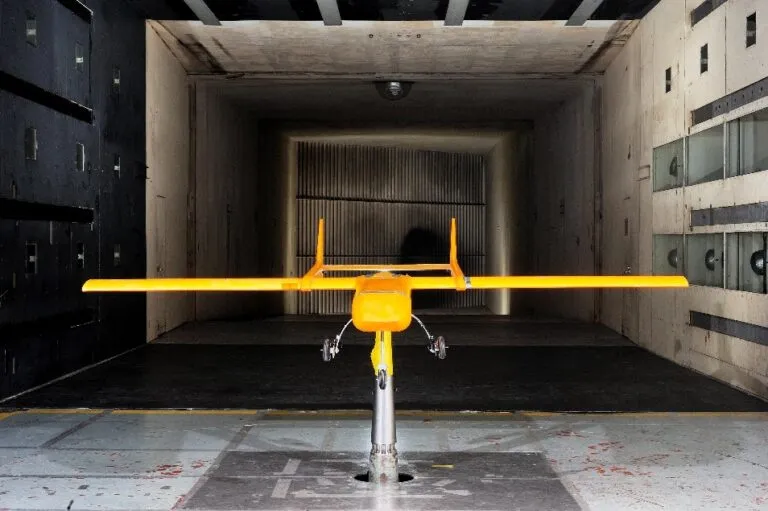
While system architecture design focuses on structure, flow visualization brings clarity to the dynamics of air and fluid movement around aircraft. This technique allows engineers to see the invisible forces that affect performance, efficiency, and safety.
Improving Aerodynamic Efficiency
Flow visualization helps engineers identify areas of drag and turbulence. By refining wing shapes, fuselage contours, and engine placements, aerospace companies can achieve significant fuel savings and reduce emissions.
Enhancing Pilot Training and Simulation
Beyond design, flow visualization plays a critical role in simulation environments. Pilots can train in realistic conditions where airflow dynamics are accurately represented, improving their ability to respond to unexpected scenarios.
Driving Innovation in Sustainable Aviation
With sustainability becoming a global priority, flow visualization enables engineers to design aircraft that minimize environmental impact. From optimizing airflow to reducing noise pollution, this technique is central to the future of green aviation.
Real-World Applications of System Architecture Design and Flow Visualization
The combination of system architecture design and flow visualization is not theoretical—it is already transforming aerospace projects worldwide.
Simulation-Based Testing
By integrating system architecture design with flow visualization, engineers can conduct simulation-based testing that replicates real-world conditions. This reduces the need for costly physical prototypes and accelerates innovation.
Hardware-in-the-Loop (HIL) and Software-in-the-Loop (SIL) Testing
These advanced testing methods allow engineers to validate both hardware and software components in controlled environments. Flow visualization enhances these tests by providing insights into how systems interact with aerodynamic forces.
Collaborative Research and Development
Universities, research institutions, and aerospace companies are increasingly collaborating on projects that combine system architecture design and flow visualization. These partnerships are driving breakthroughs in areas such as autonomous flight and advanced propulsion systems.
Benefits for Aerospace Stakeholders
The impact of these innovations extends beyond engineers. Airlines, passengers, and regulators all benefit from the advancements in system architecture design and flow visualization.
Airlines
Airlines gain from reduced fuel costs, improved safety records, and faster adoption of new technologies.
Passengers
Passengers enjoy safer, more comfortable flights with reduced turbulence and noise.
Regulators
Regulators benefit from transparent testing processes that ensure compliance with safety and environmental standards.
The Future Outlook for Aerospace Innovation
Looking ahead, the integration of system architecture design and flow visualization will continue to shape the aerospace industry. As technologies such as electric propulsion, autonomous aircraft, and advanced simulation environments mature, these disciplines will provide the foundation for their success.
Autonomous Flight Systems
System architecture design will be critical in ensuring that autonomous flight systems operate safely and reliably. Flow visualization will help engineers understand how these systems interact with complex aerodynamic environments.
Sustainable Aviation Goals
The aerospace industry is committed to reducing its carbon footprint. Flow visualization will play a central role in designing aircraft that meet sustainability targets, while system architecture design ensures these innovations are scalable and practical.
Global Collaboration
Future aerospace projects will rely on global collaboration. System architecture design provides the framework for integrating diverse technologies, while flow visualization ensures that these innovations are tested and validated effectively.
Conclusion
The aerospace industry is evolving rapidly, and system architecture design and flow visualization are at the forefront of this transformation. Together, they provide the tools and insights needed to create safer, more efficient, and more sustainable aircraft. By embracing these disciplines, aerospace companies can unlock new possibilities and ensure that the future of flight is both innovative and responsible.